The OpenAI Merch Store Nobody Was Supposed to See — and Here's What Happened When They Did
In December 2025 OpenAI posted a link on X with nothing but a small caption. The link went to a merch store. Within 15 hours, the post had over 3000 likes. Fan-made unauthorized copies of the designs started appearing online within 2 days.
Nobody had asked for an OpenAI merchandise store. Nobody knew it even existed. And yet the moment it became public, the internet treated it like a cultural event.
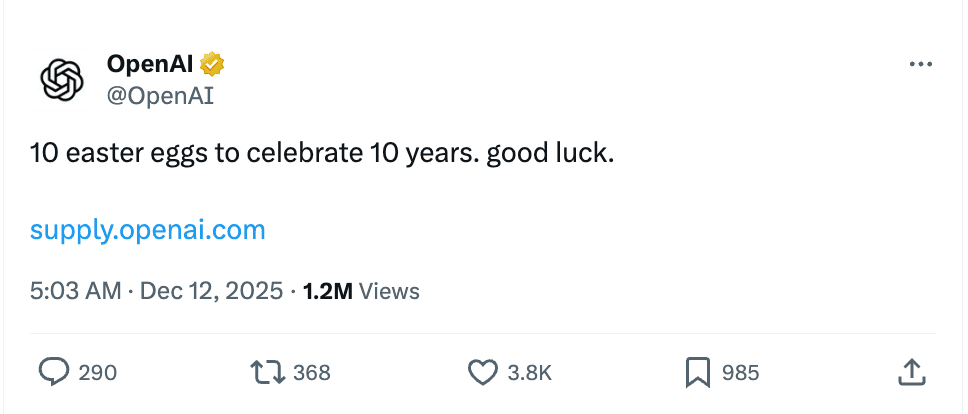
All OpenAI did was leave this tweet about mystery easter eggs and left it’s developers to find them. Source: X
Table of Contents:
A Merch Store That Was Never Meant to Be Public
What Kind of Merch Does OpenAI Actually Make?
The Easter Eggs That Made the Store Go
What Brand Managers can Learn From This
Here's what you can do next
A Merch Store That Was Never Meant to Be Public
OpenAI Supply Co had been sitting quietly since at least July 2024, marked as "coming soon" on the Internet Archive, accessible only with a company email login.
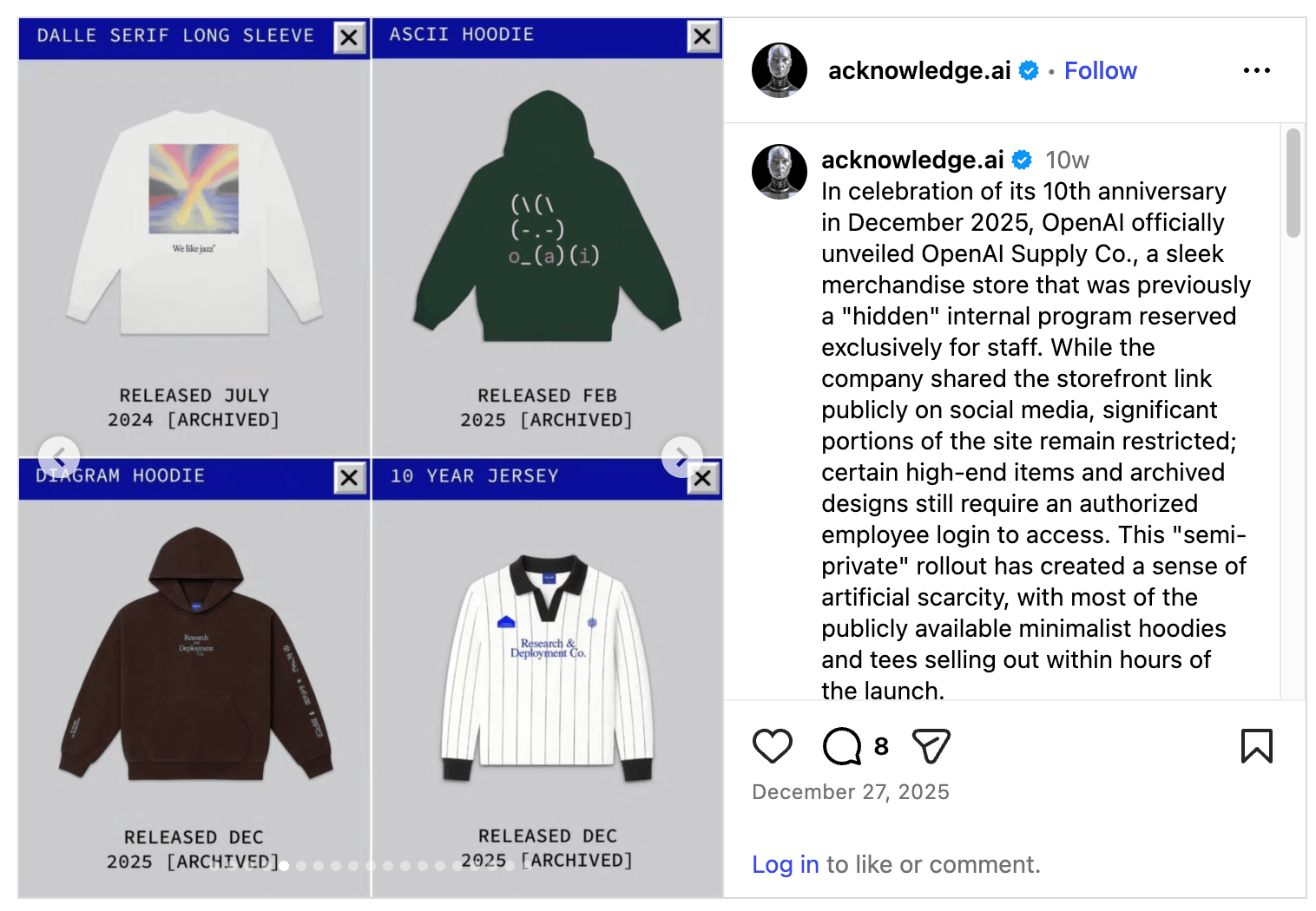
On the pretext of their 10th aniversary, OpenAI dropped Supply Co what is usually provided for staff got public, thats when the viral moment hit. Source: Instagram
What Kind of Merch Does OpenAI Actually Make?
Most tech company merch is logo-forward and conference-ready. OpenAI Supply Co was neither. The items were minimal- low-key branding with muted colors, the kind of thing someone in SanFranciso startup, would actually wear without feeling like a walking billboard. But what really made this genuinely interesting was the specificity.
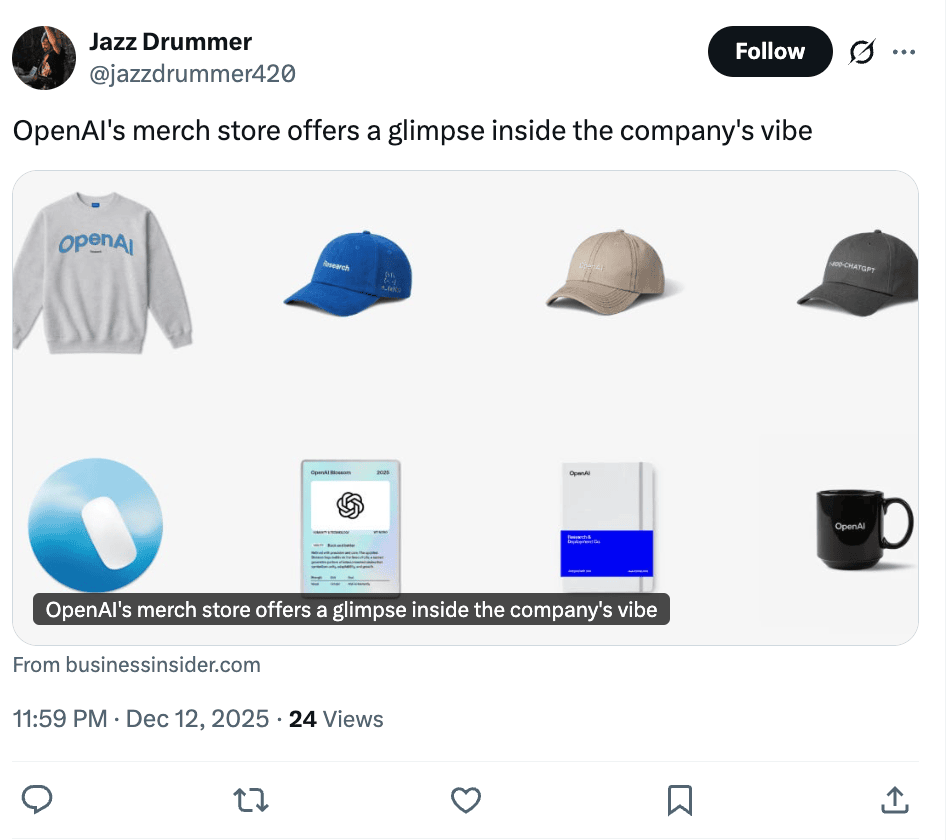
OpenAI also dropped much more than the apparel that shocked a lot of developers. Source: X
The apparel told you something: A shirt that read "AGI that benefits all of humanity"- a direct line from OpenAi founding charter. This belief has been the statement of th company has always had since the beginning.
The collectibles told you more: Five Pokemon-styled trading cards -each representing a different OpenAI product. Each card contained a piece of internal culture.
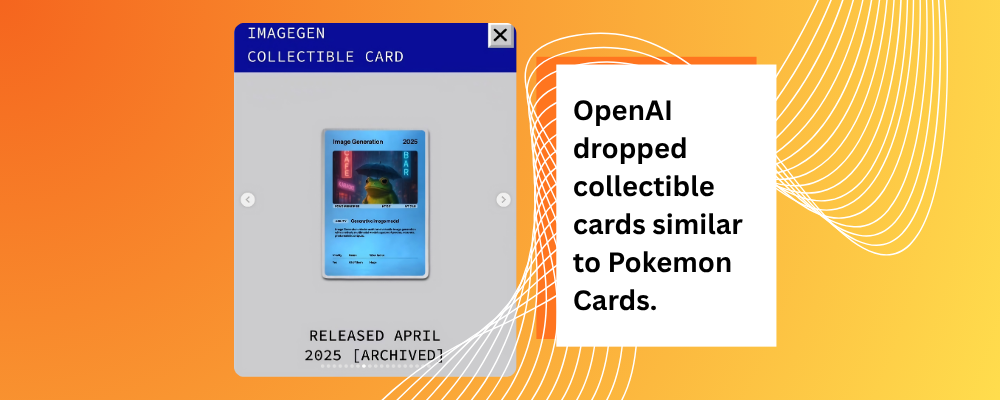
OpenAI dropped collectible cards with the dates of them being archived to set a better moment for the developers who were not part of the staff so it resembled Pokemon cards. Source: Instagram
Honestly, this wasn’t merchandise designed to be sold. It was a merchandise designed to make it viral, and when it became public, It functioned like an archive of the company's history made wearable.
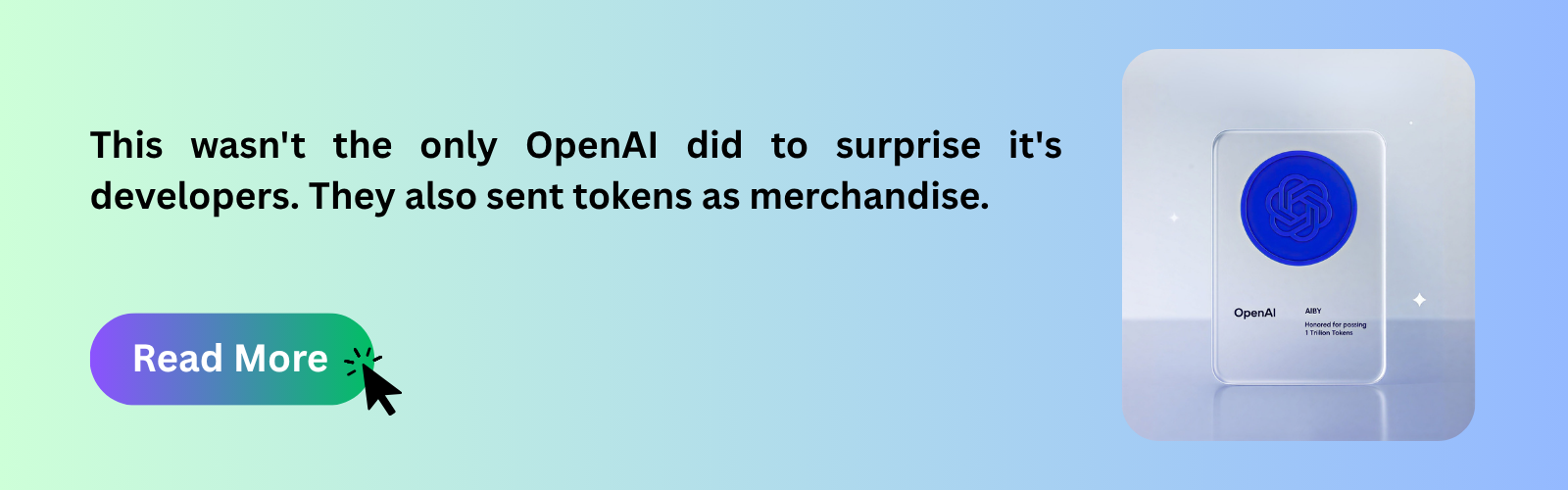
The Easter Eggs That Made the Store Go
As mentioned before, for OpenAI's 10th anniversary, hid 10 Easter eggs across the Supply Co site. These weren't discount codes, they were actual interactive puzzles- including dragging basketballs into trash cans, hunting for hidden stickers, and decoding clues embedded in the site's design.
Influencers in the developers community quickly took notice of this to check out the OpenAI merch store. Source: Instagram
People who completed the Easter Egg challenge recieved something that couldn't be bought anywhere: Codex Core merch kit that contained- a hoodie, cap, enamel pin, keychain, sticker pack and an OpenAi keyboard shortcut button.
OpenAI even makes some really unusual things like folding chairs. They take things and turn them into things that are special to people who, like OpenAI.
All of the things OpenAI makes look much the same. They are simple. Do not have a lot of color. The OpenAI logo is not really noticeable. It feels like the kind of things people who work at a tech startup would wear. It does not feel like they are just trying to sell merchandise.
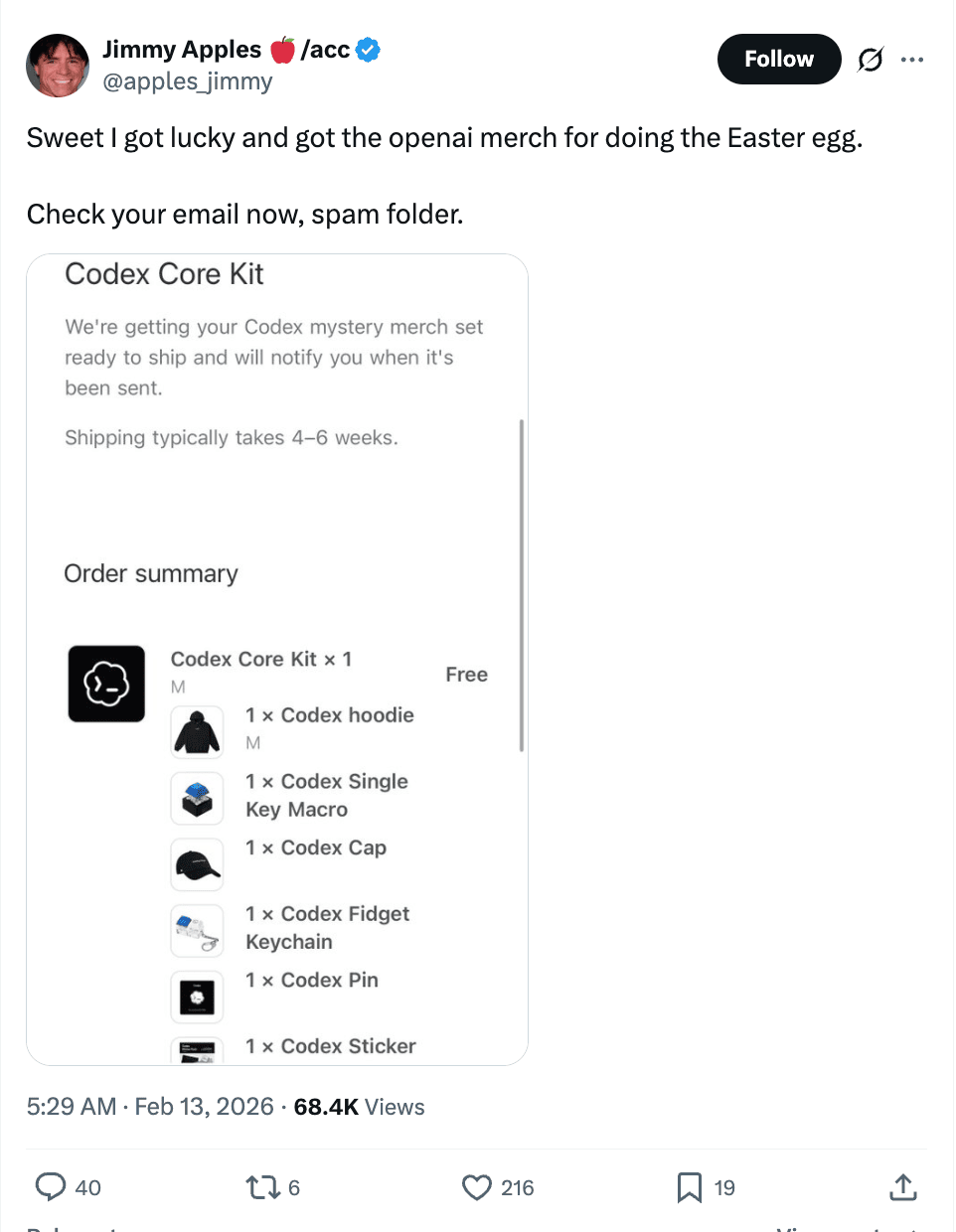
Whoever were able to find the easter eggs won a free OpenAI merchandise from Codex Ad. Source: X
Two months later, OpenI ran a superbowl ad for Codex- titlted "You can just Build Things" But in the 60-second spot, there was a short of someone typing in a terminal. Hidden inside that shot was aclue.
Viewers who managed to caught it went ot the Codex app and ran a specific skill to unlock access to one of 1,000 limited Codex Merch bundles. Apart from the regular merch, some were lukcy to get Raspberry Pi 5.
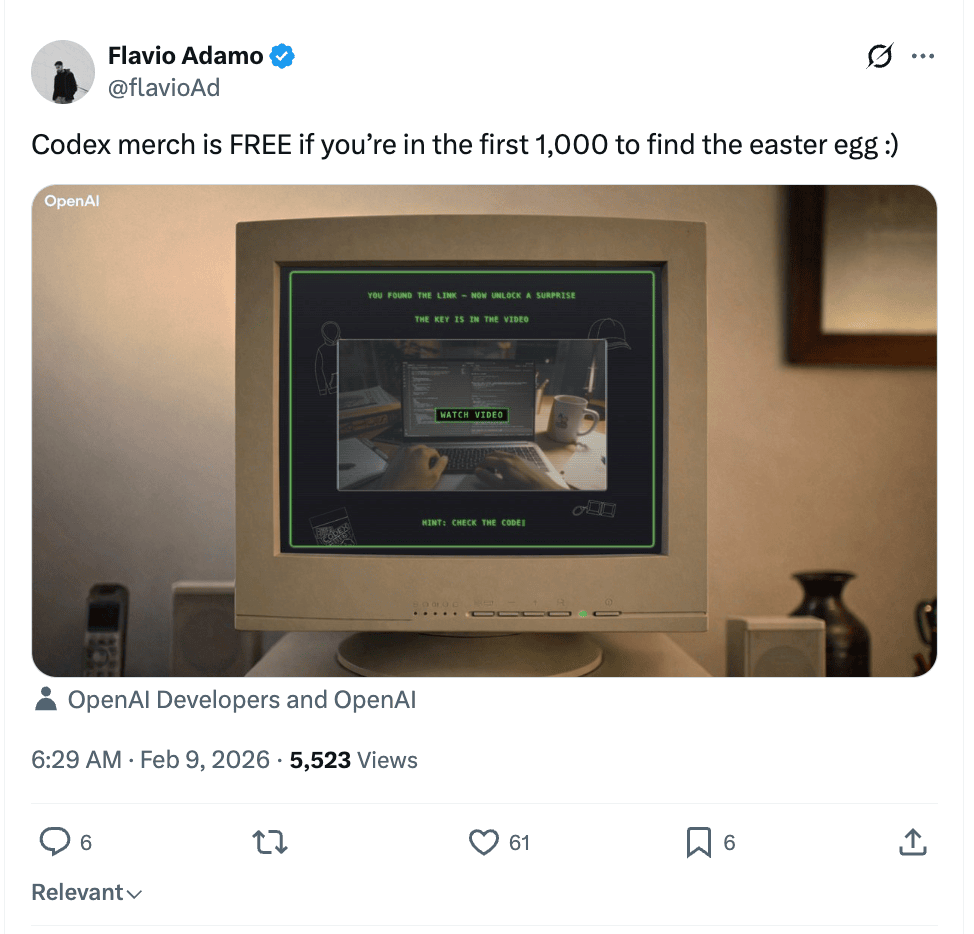
The OpenAI easter egg left behind on the Codex Ad on the SuperBowl commercial. Source: X
What Brand Managers Can learn from this
Make some things impossible to buy: The most shared items from OpenAI supply where the ones that couldn't be purchased- the Easter Egg kits, the Super Bowl bundles.
Ask Yourself: wheats the version of your next porduct launch that rewards the people who were already paying attention?
Let the Archive do the work: The Supply Co''s website most interesting section wasn't really the store itself- it was the archive of old employee items going back years. Every cap and hoodies with a release date told a storyabout what OpenAI was doing at that moment.
Use the Product as the Key: The Super Bowl easter Egg required Codex to unlock. Not a code, it was the actual product. That's the cleanest version of this principle: the reward should only be accessible to people who've already crossed the threshold from interested to engaged now.
Here's Your Next Move
Thee things made it land differently from a standard merch drop — and they're worth writing down.
It felt like discovery, not distribution. The store had been sitting there for a year. When it went public, it felt like finding something not quite meant for you. That feeling is nearly impossible to manufacture. OpenAI got it for free by accident.
The merch was earned, not bought. The Easter egg kits. The Super Bowl puzzle. The employee-only archive. Every layer had something that couldn't simply be purchased — and scarcity plus effort is what makes an object feel like it means something.
It showed culture, not branding. The trading cards aren't marketing material. They're internal shorthand made visible. Every item assumed you already cared — and that assumption is what made outsiders want to care too.
Funnily enough, a knock-off store appeared within days after the original selling out. That's not a planned metric but it might be the most honest one.