
How a One-Word Hat Became Anthropic’s Most Viral Idea
With AI systems becoming more spread out, the thing community leaders and people starting these groups constantly run into is: how do you get people who help to sense they’re a part of a genuine thing, if all they create is on the internet?
The solution is not more digital awards or email lists.
It’s something you can hold. Not freebies.
Developers aren’t keen on typical freebies. A logo t-shirt, churned out for a conference, hardly lasts past the day. Giveaways that are too heavily branded come across as marketing, and developers quickly lose interest in things that seem like a deal.
Usually, being a part of AI communities means helping out: getting features done, trying out models, making early connections, and being there all the time. A lot of this work doesn’t get seen. Well-chosen merchandise can change that unseen work into a public sign of who they are.
Table of Contents:
What was the campaign?
What the Cap Actually Means
Why It Spread Organically
What Brand Managers for AI companies can learn from this
Here's Your Next Move
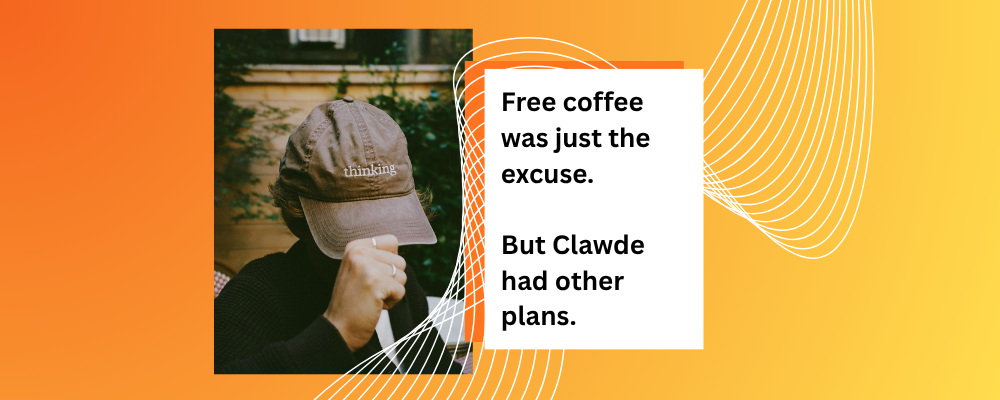
What was meant to be a small coffee shop get together with other developers awaited a surprise for the attendees with Clawde’s Thinking cap. Source: Instagram
What was the campaign?
Claude is an AI-assistant built by Anthropic, which is advanced steerable large language model (LLM) and an AI chatbot. It was part of something that Anthropic was doing called the "Keep Thinking" campaign. Anthropic did not tell about how fast or good Claude's services were. Instead, they said that Claude is about being thoughtful.
The whole campaign was based on AI should not just give us answers quickly. it should help us think better and solve problems in a more efficient way. The words "Keep thinking" were everywhere. It looked like a message about how AI should be made and used.
Anthropic also frames its work around slowing down and thinking carefully about intelligence. Hence, the word "Thinking" captures that philosophy.
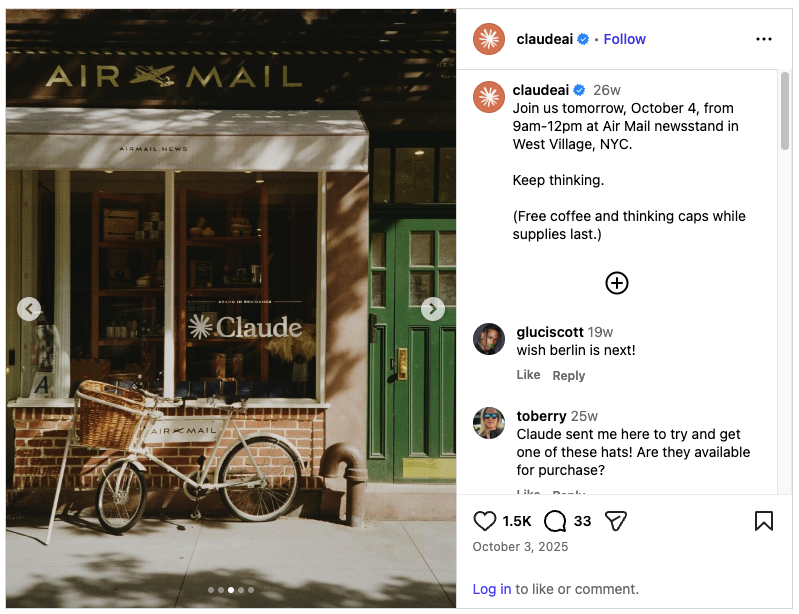
The launch that made the difference without anything flashy- a simple coffee shop get together invitation that changed everything. Source: Instagram
At first glance, it looked almost too minimal — a neutral-toned cap with a single word stitched across the front. But within AI circles, it quickly became recognizable. Developers shared photos wearing it at events. Others replied asking where to get one.
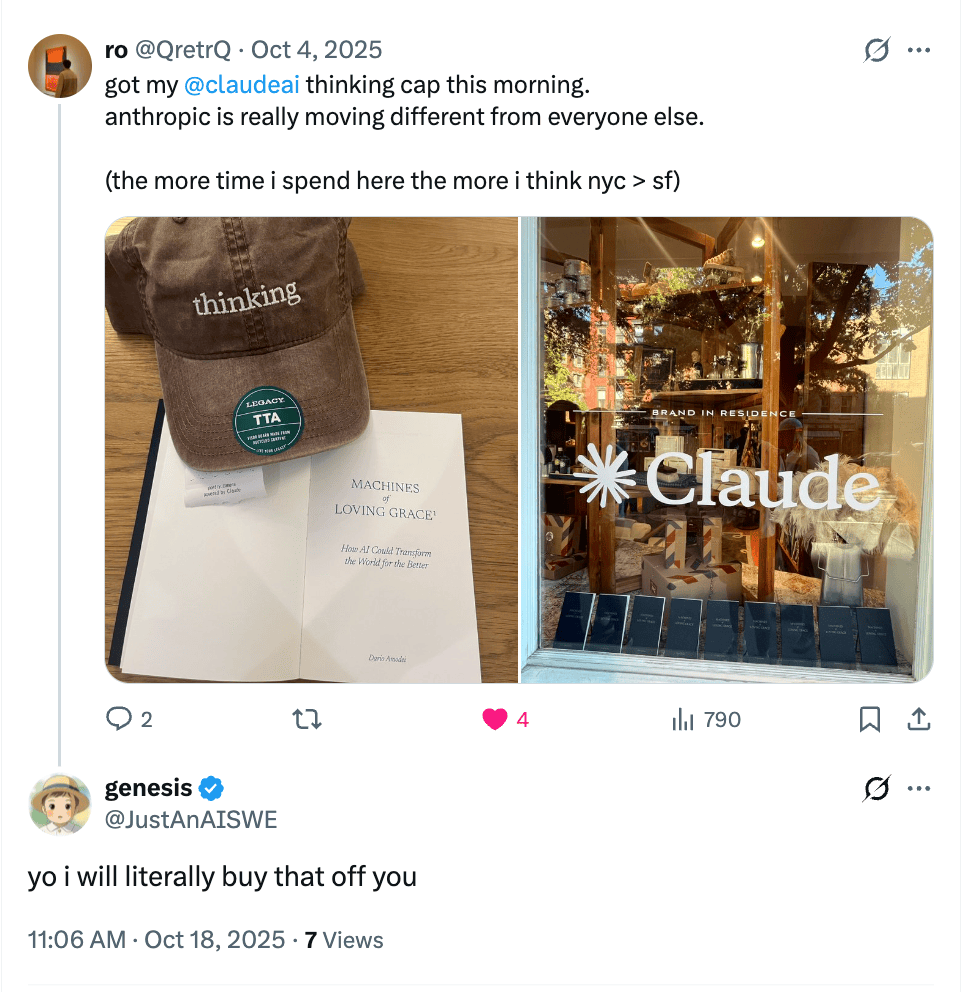
The cap was suddenly everywhere making people repost and the Thinking Cap quickly became associated with developers. Source: X
When the first few pictures came out it was easy to see what was going on.
The people who make things were not wearing the cap like it was some kind of advertisement. They were just wearing it normally. When they were at events in big meeting rooms and when they took pictures with other people who do research. Under these posts people were saying things like:
"Where can I buy this?”
"This is really nice.”
"I want one.”
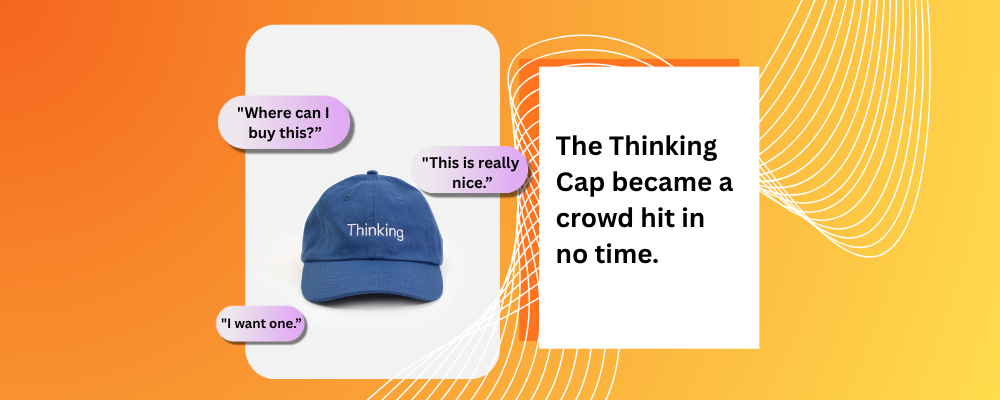
The Thinking Cap became a crowd hit but it was not over nothing. The next question is how & what made it a viral momenet. Source: Andrew Neyer
The way people reacted says something about the cap. People really liked the cap. The reaction to the cap tells you something, about the cap.
What the Cap Actually Means
Notice what the cap doesn't say.
It is not, about:
Claude 3
Frontier Model
API Launch
A new feature
Instead, the cap reflects a mindset. The cap is showing what the people who made it think about intelligence.
In the world of intelligence, people who make things are not just picking tools. They often choose a way to make artificial intelligence. Wearing the cap was not just saying that you like this company. It was like saying that you believe artificial intelligence should be made in a certain way.
Why It Spread Organically
Three things made it travel:
1. It Was Understated
Minimal typography. Neutral color. No loud logo placement. Developers prefer subtle affiliation. The more corporate something looks, the less likely it is to be worn outside the event.
The Thinking cap felt wearable in everyday life — not just at a booth.

Just like on Instagram, a tweet was shared on X who is a staff at Anthropic to get people to meet. Source: X
2. It Was Culturally Specific
Inside AI circles, the word carries weight. It reflects debates around safety vs. acceleration, scaling vs. alignment, speed vs. caution. It became shorthand for a larger conversation already happening online.
That’s why posts of the cap resonated beyond just employees.
3. It Wasn’t Trying to Sell
There was no direct CTA attached to it. No “buy now.” No launch campaign. The absence of overt marketing made it feel authentic. Ironically, that restraint made it more desirable.
The moment we noticed there was no sell — that's when we knew this was different.
What Brand Managers for AI companies can learn from this
What makes the Thinking cap interesting isn’t just the design. It’s the reaction around it.
People were reportedly lining up to grab the hat and even traveling to events where it was available. Posts on X praised the campaign as one of the most effective brand moments in AI, with users noting that the cap alone was getting people’s attention — and even nudging some toward trying Claude.
But the stronger signal came from what happened next.
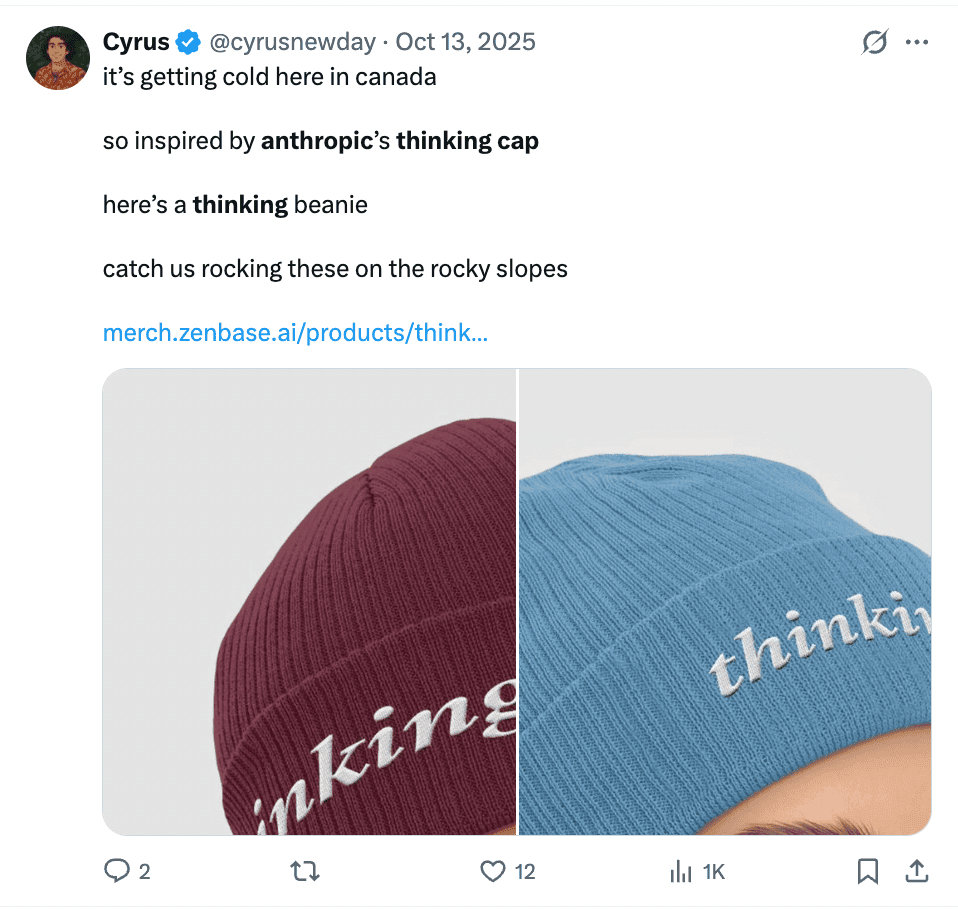
Variations of "Thinking" beanies came up online that were inspired by Anthropic. Source: X
Developers and founders started recreating it. Within days, variations like “thinking” beanies began appearing online, inspired directly by Anthropic’s original cap. When community members start remixing a brand’s merchandise, it means the idea has moved beyond marketing and into culture. That’s the difference between typical tech swag and belief-based merchandise.
For AI companies building communities, the takeaway isn’t to copy the hat. It’s to design merchandise that reflects what your ecosystem believes.
Ask questions like:
What philosophy defines our approach to AI?
What idea would our community proudly represent?
Would someone wear this even if our logo wasn’t on it?
In a space where developers care deeply about how AI should be built, merchandise that signals belief will travel much further than merchandise that simply promotes a brand.
Here's Your Next Move
Look at your product and find the one word that captures what you actually believe — not what you do, not what you offer, but what you stand for. Anthropic found theirs. They put it on a cap. That was enough.
Because the brands that travel aren't the ones with the biggest budgets or the loudest launches. They're the ones whose community feels something when they see the logo — or in this case, a single word stitched on a hat.
If your merch needs a paragraph to explain it, it's not ready yet. If it needs just one word — you might be onto something.
Other Blogs you may find interesting:-